President Donald Trump on Sunday announced the formation of an artificial intelligence task force, naming Director of National Intelligence Jay Clayton to spearhead the group.
The other members of the group include Federal Trade Commission Chair Andrew Ferguson and Undersecretary of Defense for Research and Engineering Emil Michael. The task force, Trump said, would report to him and to White House Chief of Staff Susie Wiles.
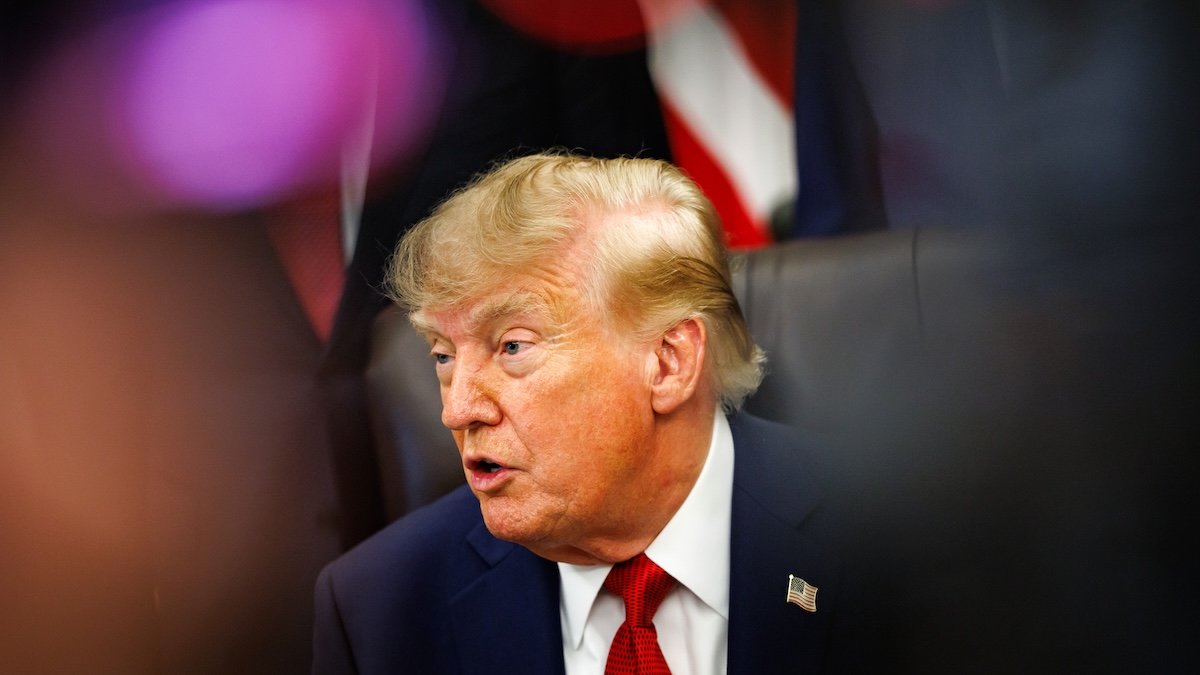
“Following the Historic White House Accord on Super Intelligence, where the World’s most important Technology Companies came together, and confirmed their responsibilities to the American People, I am announcing the formation of the Super Intelligence Force,” Trump wrote on Truth Social.
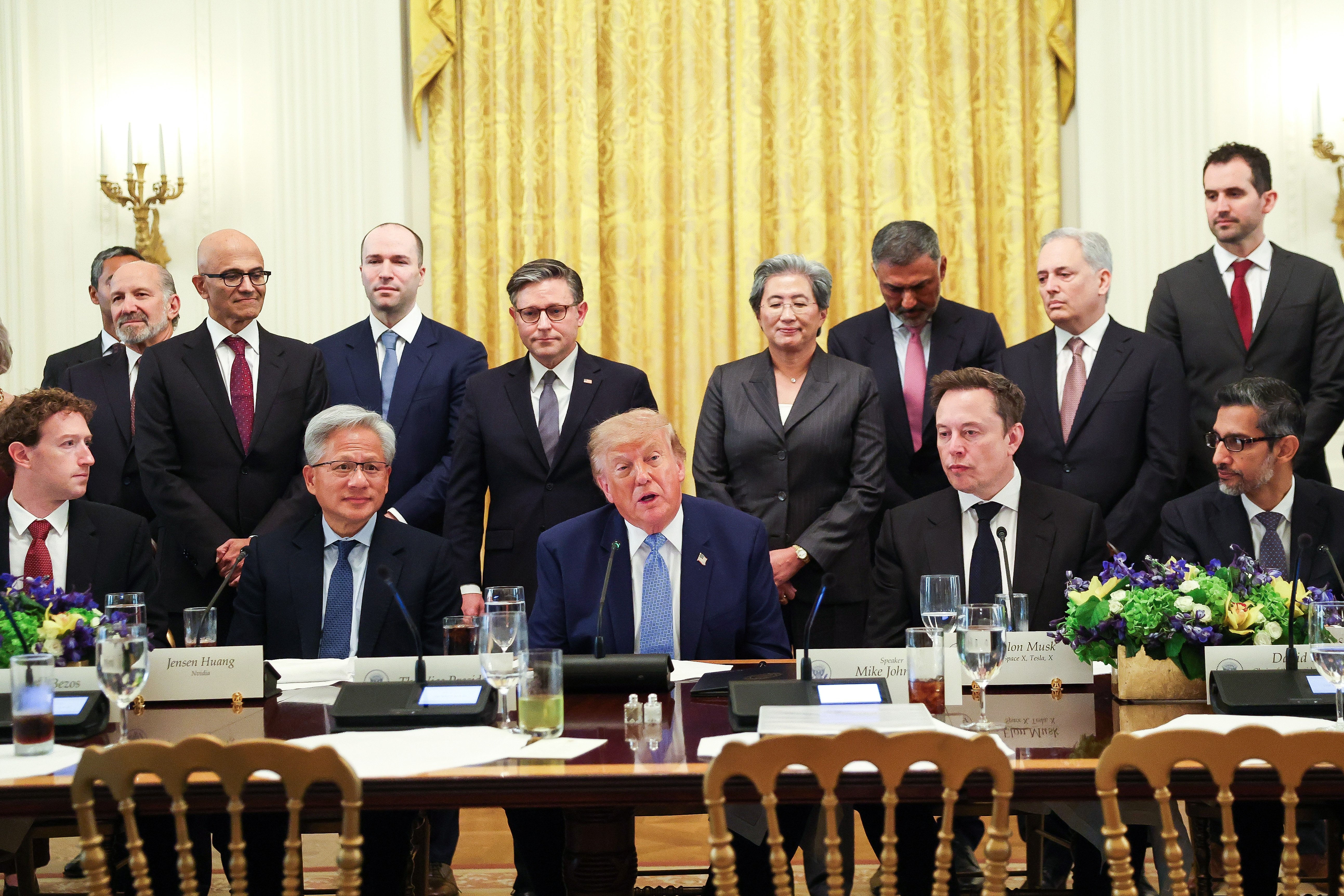
Trump on Tuesday met with tech leaders, including Anthropic CEO Dario Amodei, Tesla CEO Elon Musk and Meta CEO Mark Zuckerberg. Clayton was also present at the meeting. The summit came after AI leaders issued existential warnings surrounding the technology, which Trump has largely downplayed.
Tech leaders have called on Washington to regulate the industry, which Trump has said he will not do. Last week, after the summit, Trump said the leaders had reached what appeared to be a nonbinding agreement of “tremendous self-regulation.”
“The Super Intelligence Force will coordinate the Federal Government’s engagement with Consumers, Public Interest Groups, Religious Organizations, Critical Infrastructure Providers, and Super Intelligence Companies,” Trump added to his Truth Social post Sunday.
NBC News reported Friday that Trump was expected to name Clayton AI czar. Before taking over as DNI, Clayton served as U.S. attorney for the Southern District of New York and chair of the Securities and Exchange Commission. Venture capitalist David Sacks had served as AI czar, before he had to step down following the expiration of his term as a special government employee.
Trump announced last month that he would create an AI task force. The move comes as the issue has become a flashpoint in Washington and beyond, with some lawmakers calling for a laissez-faire approach while others have advocated for action to be taken. Some politicians perceived as 2028 hopefuls, such as Democratic Gov. Gavin Newsom, have sought to regulate the technology at the state level.